Page content
In anticipation of the upcoming Brahms Festival, MSO cellist Rohan de Korte has assembled a Spotify playlist exploring some of the works you'll hear in the concert hall this November, as well as the works Brahms experienced in his own time. Read all about it and have a listen below.
The death of Beethoven in 1827 could have heralded the death of the symphony – who would dare to try to take it forward after the colossal 9th? Well, apparently Berlioz with his Symphonie Fantastique in 1830, but not even Berlioz could keep the March going.
The musical landscape had changed since the French Revolution and Opera was king. On top of this decadent desire for spectacle and romance stood Wagner for the next 50 years. On the other side was the nuanced delicacies of Chopin and Schubert with small form songs and dances, the imagination of Schumann, the quick wit of Rossini and the delightful entertainment of the Viennese operettas of Johann Strauss. Add to this the flair and circus artistry of people like Paganini and Franz Liszt and you have a space that looks like modern day Chadstone on Boxing Day – bright colours and flavours with everyone clamouring to be heard.
Music of the middle romantic period was perfectly described as being either profoundly superficial or superficially profound.
Then comes the 1870s.
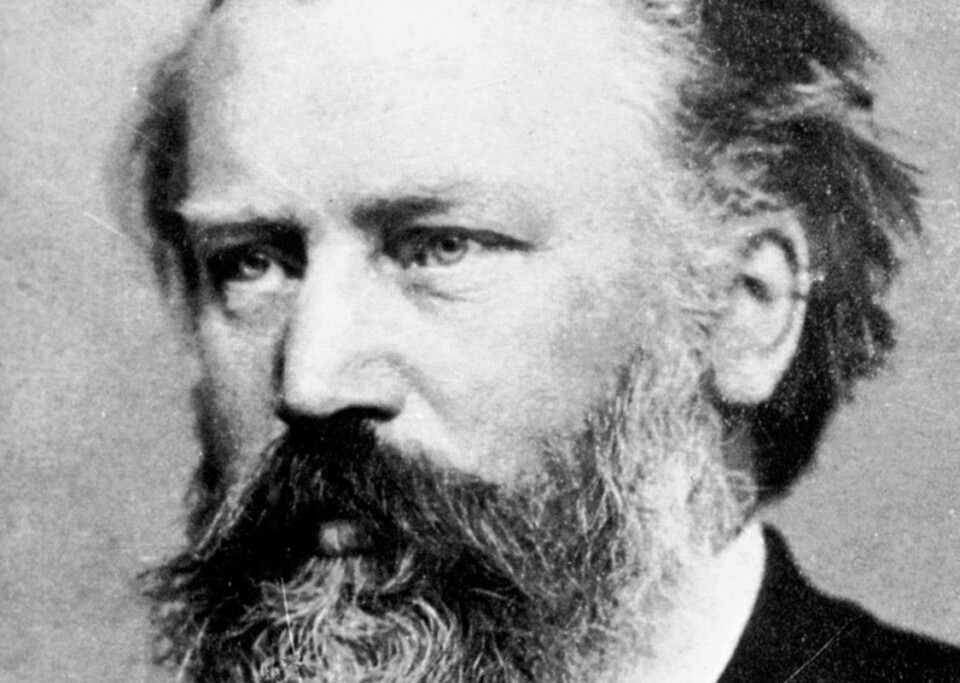
Brahms is the artistic voice behind the resurrection of the symphony. Vienna builds the Musikverein, the most beautiful concert hall ever constructed and the symphonies of Brahms emerge like a noble knight from the shouting match of the musical battlefield.
-Rohan de Korte
Journey through all four of Brahms' symphonies this November to discover his remarkable range, building to A German Requiem, one of the most moving tributes to grief and remembrance in the choral repertoire.
MSO Brahms Festival
7-21 November 2026
Arts Centre Melbourne, Hamer Hall